

All articles
 How Does a Fly Catcher Machine Work?
- Glue Board vs Electric-Grid Fly Killers: Which Suits a Food Business?
 Where to Place a Fly Catcher Machine: a Placement and Maintenance Checklist
 Signs of Rats and Mice: How to Tell You Have Rodents
 Bird Spikes vs Bird Netting: Which Suits Your Building?
 Cockroach Monitoring Traps: What They Tell You
Cockroach Monitoring Traps: What They Tell You
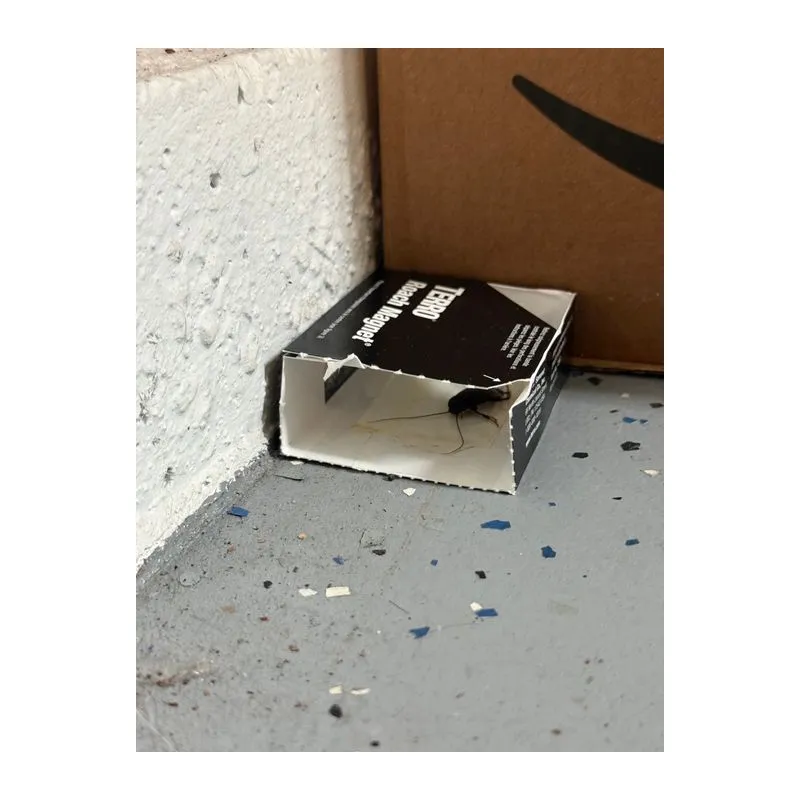
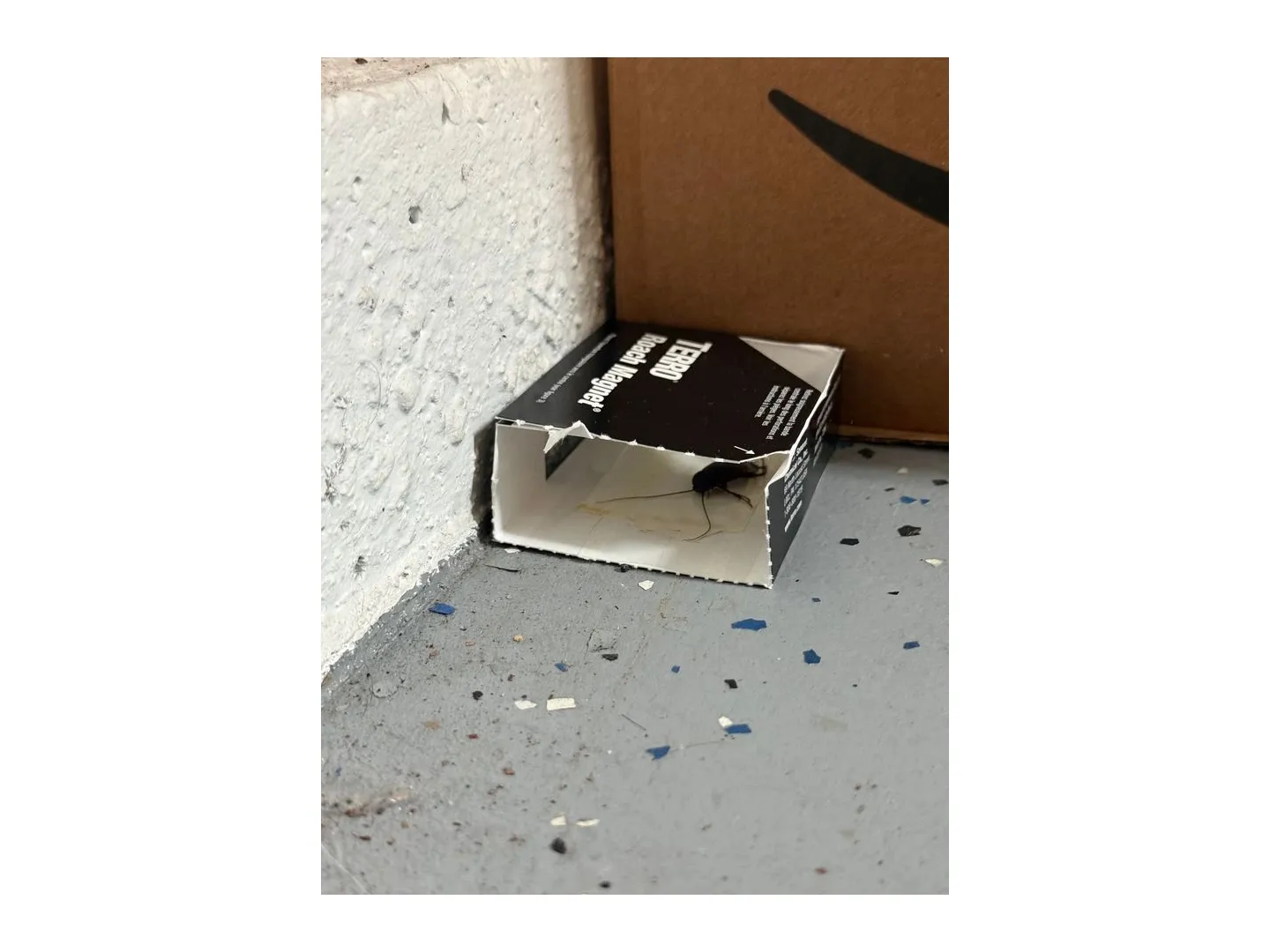
A cockroach monitoring trap is a small glue trap placed where cockroaches hide, so its catch shows where they are and roughly how many. Checked regularly, traps point treatment to the right spots and show whether it is working. They are a monitoring tool: on their own they do not clear an infestation.
What a monitoring trap is
Most monitoring traps are folded cardboard or plastic tunnels with a sticky floor. Cockroaches walk in while looking for shelter and stick; some traps also carry an attractant. They are quiet, inexpensive and involve no spraying, which is why kitchens, stores and food businesses use them as a routine check.
Where to place traps
- Under sinks and around drain points.
- Behind and under fridges, ovens and dishwashers, where motors keep things warm.
- Inside base cabinets and along the back edge of shelves.
- Beside cracks, gaps around pipes and the joints of counters.
- In storerooms, along the walls at floor level.
Cockroaches move along edges and corners, so a trap works best pushed against a wall or into a corner, not in the middle of the floor. Number each trap and mark it on a simple plan so counts can be compared.
Reading the catch
- Where the catch is highest shows where cockroaches shelter. That is where cleaning and treatment should focus.
- Small, young cockroaches (nymphs) on a trap mean they are breeding nearby, not just passing through.
- The type of cockroach matters. Small brown cockroaches living in kitchens behave differently from large ones that come up from drains, and they are treated differently.
- Catches falling over time show the treatment is working; a steady or rising catch means something has been missed.
How often to check and replace traps
Check traps on a regular schedule, such as at each service visit or weekly in a busy kitchen, and write down what each one caught. Replace a trap when it is full, dusty, wet or damaged, because a dirty surface stops catching. Note the count before the old trap is thrown away.
What monitoring traps cannot do
A trap catches only a sample of the cockroaches present. It does not reach eggs or the nymphs hidden in cracks and voids, so it cannot clear an infestation by itself. Lasting control combines removing food, water and shelter, sealing cracks and targeted treatment, with traps used to check the result.
Monitoring alongside treatment
Monitoring traps fit naturally into cockroach control and commercial pest control: they show where to treat and, visit by visit, whether activity is falling. For more about the insects themselves, see our cockroach guide.
Frequently Asked Questions
- Do cockroach glue traps get rid of cockroaches?
- No. They catch some cockroaches, but they do not reach eggs or the ones hiding in cracks. Use them to find where cockroaches are and to check that treatment is working.
- Where is the best place for a cockroach trap?
- Against a wall or in a corner near warmth, water and food: under sinks, behind fridges and ovens, and inside base cabinets.
- How soon will a trap catch anything?
- Often within a few days where cockroaches are active. A trap that stays empty suggests little activity there, or that it is in the wrong spot.
- What does it mean if I catch baby cockroaches?
- Small nymphs mean cockroaches are breeding close by. Cleaning and treatment should focus on the area around that trap.
- How often should traps be replaced?
- When they are full, dusty, wet or damaged, or at the interval agreed with your pest control provider.
- Can I use traps in a restaurant kitchen?
- Yes. They are quiet and involve no spraying, which suits kitchens. Keep them off food-contact surfaces and away from open food.
- Are glue traps a problem with pets at home?
- A pet can get stuck to the glue or chew the trap. In homes with pets, place traps where pets cannot reach, such as inside cabinets or behind appliances.
- Why are cockroaches still on the traps after treatment?
- Some activity is normal for a while after treatment, as hidden cockroaches come out. If the catch does not fall over the following visits, a source has been missed.
- Should I record trap counts?
- Yes. A dated count for each trap shows trends, helps target treatment and gives a clear record for audits.
- Can PESTGOGO include monitoring for my business?
- Yes. Tell us about your premises and we will include monitoring in a cockroach or commercial pest control plan.
Cockroaches turning up on your traps?
We find where they are sheltering and set up treatment and monitoring for your kitchen or premises.