
Science First Pest Control · Serving 12 cities

PESTGOGOPESTGOGO

Pest control service

Rodent Control

Rat and mouse control built on the 4Ds: deny entry, deny food and water, deny shelter, and destroy responsibly.

Rated 4.8 out of 5 from 1,176+ Google reviews (opens Google reviews in a new tab)
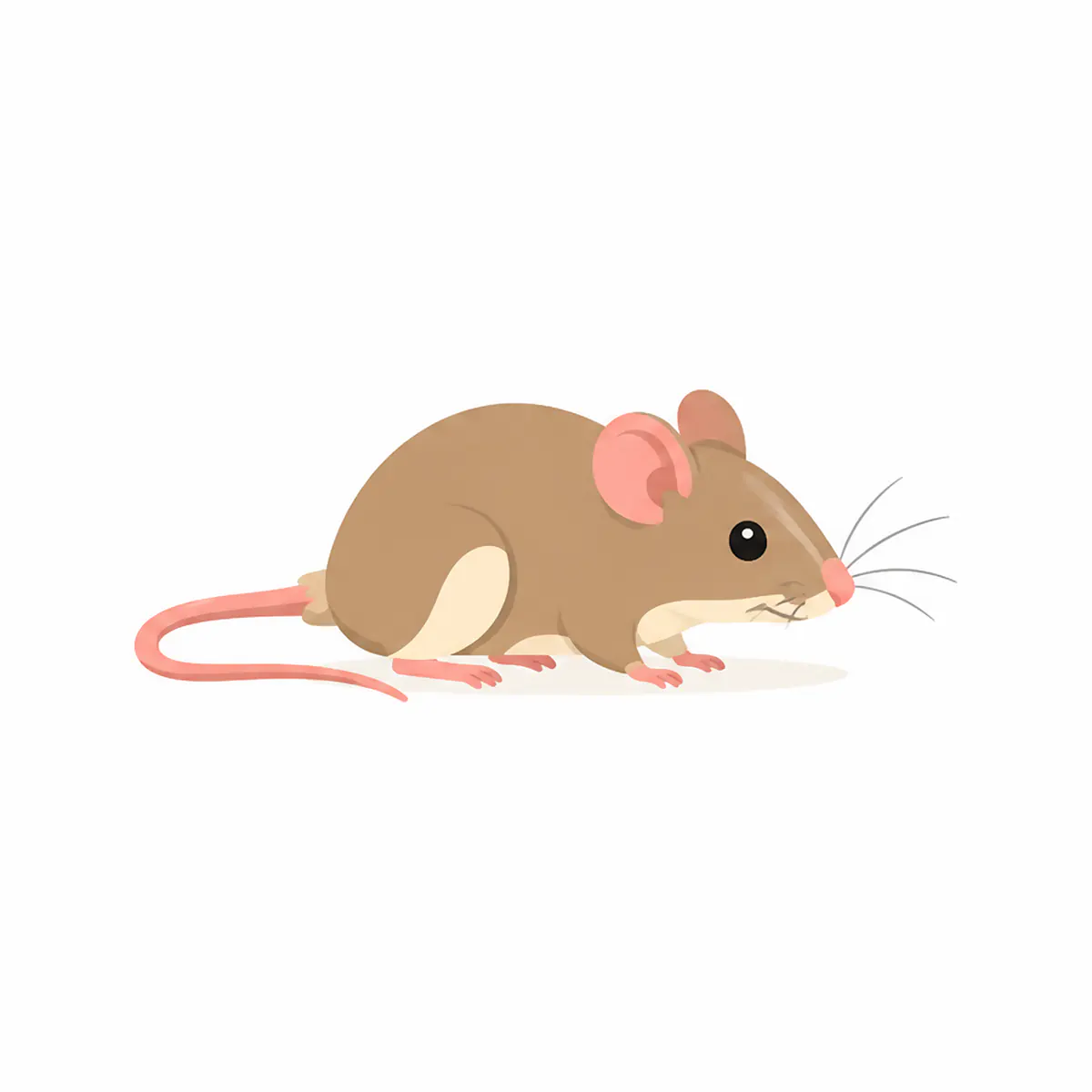
Illustration of a mouse

How well do you know rats and mice?

Six quick questions on spotting, controlling and keeping out rats and mice.

6 questions · about 2 minutes

Why rats & mice are a problem

  • Rats chew electrical wires, which can cause short circuits and fires.
  • They gnaw books, documents, furniture, electronics and food packets.
  • Rodents spread diseases such as leptospirosis, rat-bite fever and salmonella, and carry mites and lice.
  • Urine and droppings leave a lasting smell, and a dead rat inside a wall or ceiling can make a room unusable.
  • Burrowing near foundations can weaken flooring and ground.

Signs you need rodent control

  • Droppings or a foul smell, even if you never see the rodents
  • Half-eaten fruit and vegetables, or chewed bread and biscuit packets in the morning
  • Scratching, squeaking or gnawing sounds at night in the false ceiling or walls
  • Greasy black smear marks along walls, around holes, chimneys or exhaust fans
  • Burrows in loose soil around the building, below shrubs or near drains
  • Shop-bought baits that rats will not eat, or glue traps they run straight over

Our method

How we treat rats & mice

We control rats and mice with the 4Ds approach: deny entry, deny food and water, deny shelter, and destroy responsibly. A technician first identifies the species and the routes it uses, because rats and mice behave very differently, then combines baiting, traps and proofing.
  1. Inspection and identification

    We identify whether you have house mice, roof rats, sewer rats or bandicoots, and map where they enter, nest and feed. Each species needs a different placement strategy.
  2. Baiting and bait stations

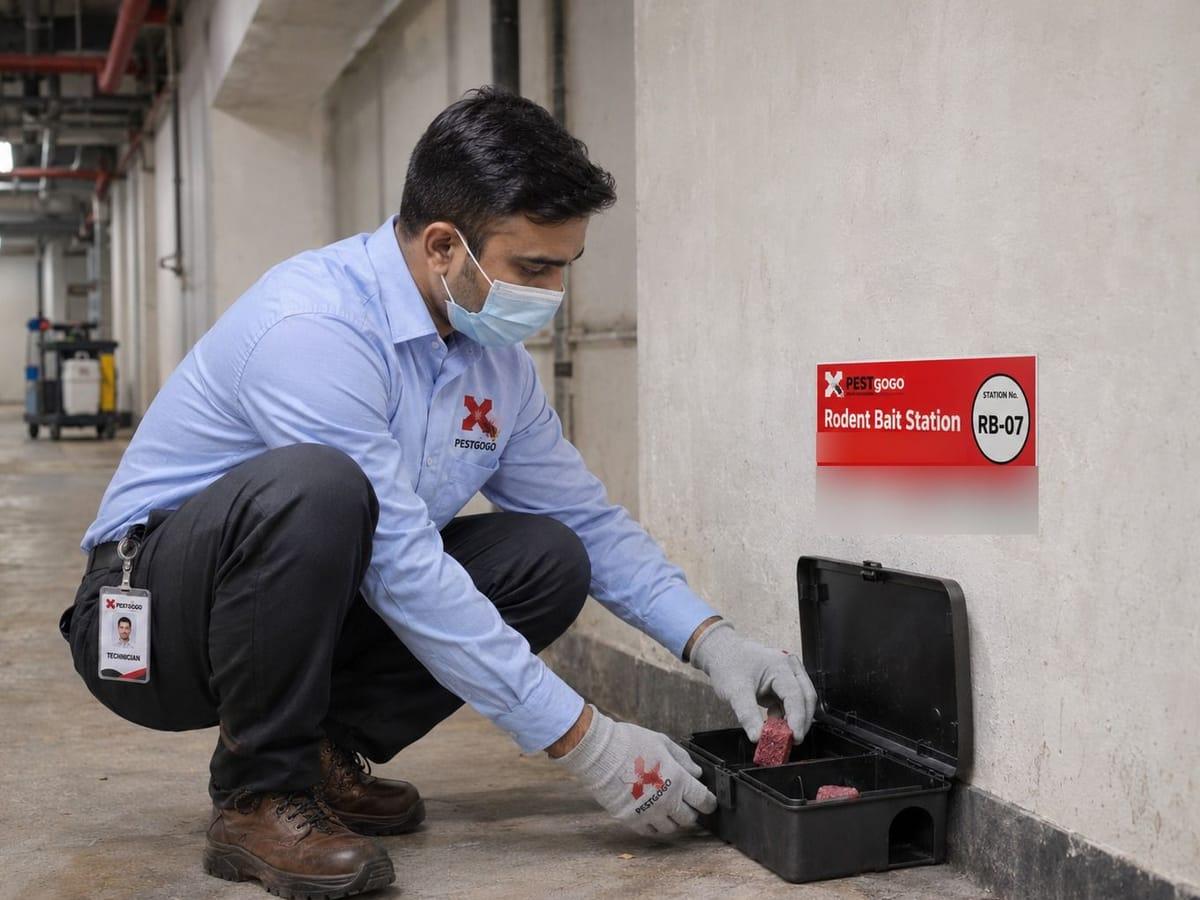
    Recommended rodenticides such as Bromadiolone 0.005% and Brodifacoum 0.005% wax blocks are placed in bait stations along rodent runways. Rats are wary of new objects, so placement and pre-baiting matter.
  3. Glue traps and cages

    Used where baits are not suitable, or to catch a rodent trapped in a specific room or cupboard.
  4. Proofing and repellents

    We point out holes and gaps to seal and recommend door sweeps. A bitterant repellent coating can be applied to discourage gnawing.
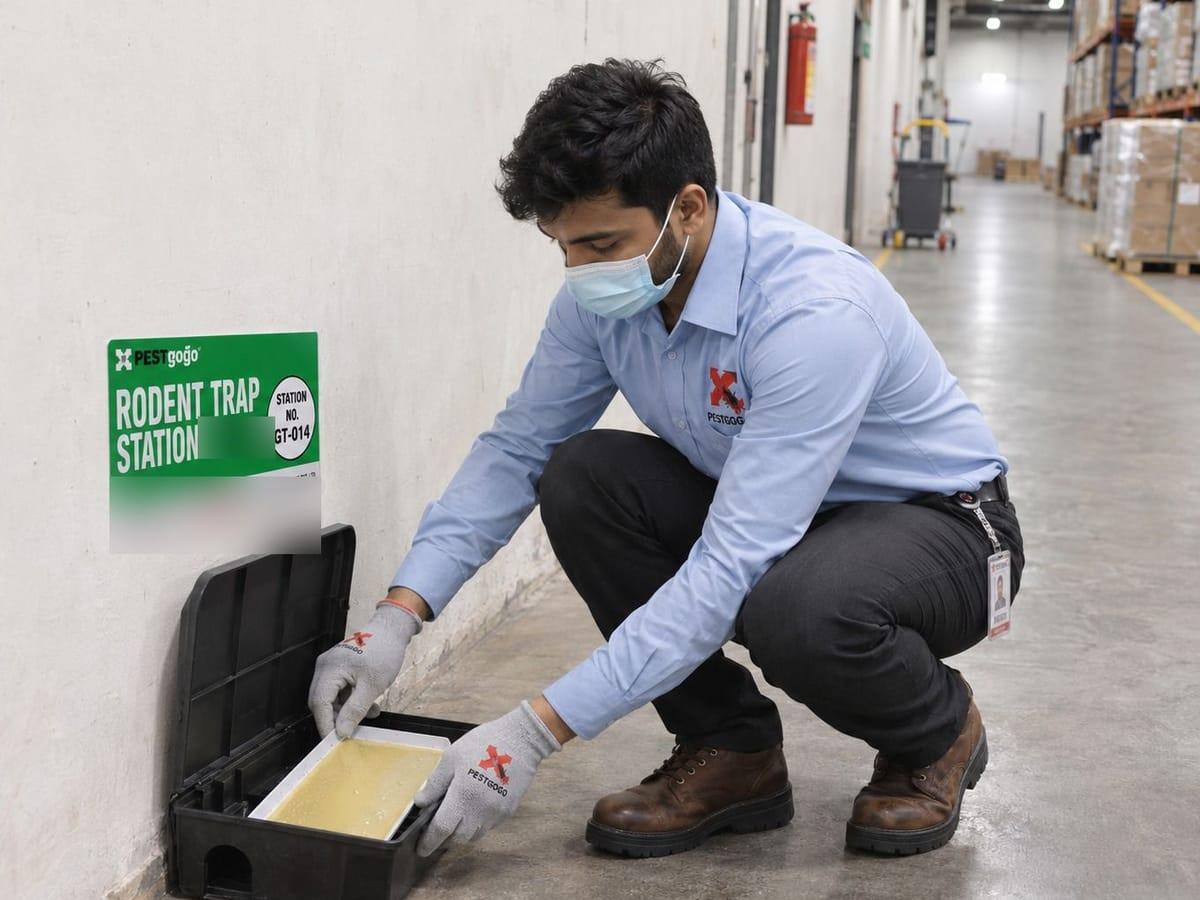
  • A PESTGOGO technician in a mask and gloves setting a glue tray inside a rodent trap station in a warehouse aisle
    Setting a glue tray inside a trap station
  • A PESTGOGO technician in a mask and gloves placing bait blocks in a black rodent bait station along a corridor wall
    Placing bait blocks in a bait station

If you spot a rat at home

Do

  • Close the door of the room and block the gap under it with a mat, towel or paper.
  • If a rat is trapped in a carton or wardrobe, place glue traps at the exit point.
  • Call us. Don't panic.

Don't

  • Don't use rodent baits yourself without expert guidance.

Prevention tips

  • Seal every hole you find inside and outside the home.
  • Fit door sweeps on exterior doors.
  • Check boxes, grocery bags and packages before bringing them in.
  • Keep food and pet food in sealed containers and clear spills quickly.
  • Inspect loose soil, shrubs and drains around the building for burrows.

For businesses

Rodent Control for business sites

Sites with staff, guests or audits get a planned programme with written records. Start with a survey or a sample.

Rodent Control

Frequently Asked Questions

Why are rats ignoring the bait I bought?

Rats are naturally cautious and avoid new objects, unlike mice, which are curious. Bait type, placement along their runways and pre-baiting all affect whether they take it, which is why identifying the species comes first.

Can rodents spread disease?

Yes. Rats and mice can spread diseases such as leptospirosis, rat-bite fever and salmonella through urine, droppings and bites, and carry mites and lice.

Is there a yearly plan for rodent control?

Yes. For homes, a Premium AMC with one year of coverage is available for rodent control.

What precautions should I take with children and pets during rodent control?

Tell us when you book: the booking form asks whether children, pets, pregnancy or elderly family members are part of the home. Your technician plans the treatment around them, explains the precautions for the products used before starting, and tells you how long to keep children and pets away from treated areas and when to ventilate and clean.

Book rodent control today

Choose a date and a one-hour slot online, or call us and we'll help you plan the visit.