

Termites
Wood-damaging pests
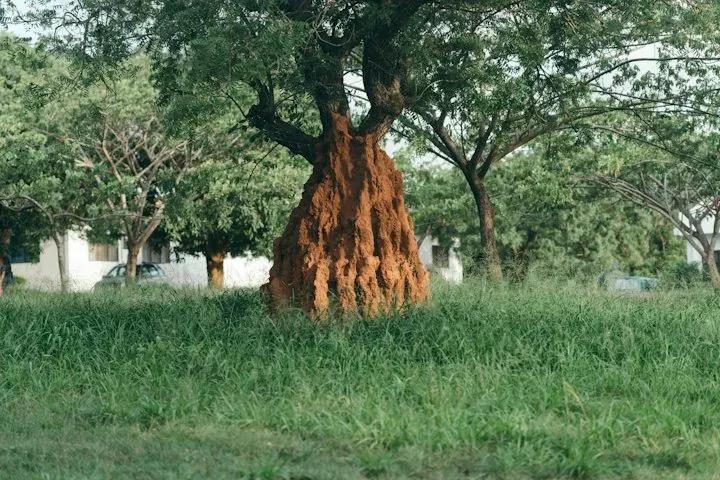
Mud tubes on walls or hollow-sounding wood.
They feed on wood and other cellulose, and favour damp soil and timber.
Pest guide & prevention
Discover how common household pests look, where they hide, what attracts them, the signs they leave behind, and when professional pest control may help.
Choose a pest to understand the signs, common hiding places, and next steps.
6 pests
Wood-damaging pests
Mud tubes on walls or hollow-sounding wood.
They feed on wood and other cellulose, and favour damp soil and timber.
Rodents
Droppings, gnaw marks or scratching sounds at night.
They are looking for food, water and sheltered places to nest.
Crawling insects
Small dark spots or shed skins along mattress seams.
They travel in luggage, clothing and used furniture, and live near where people sleep.
Crawling insects
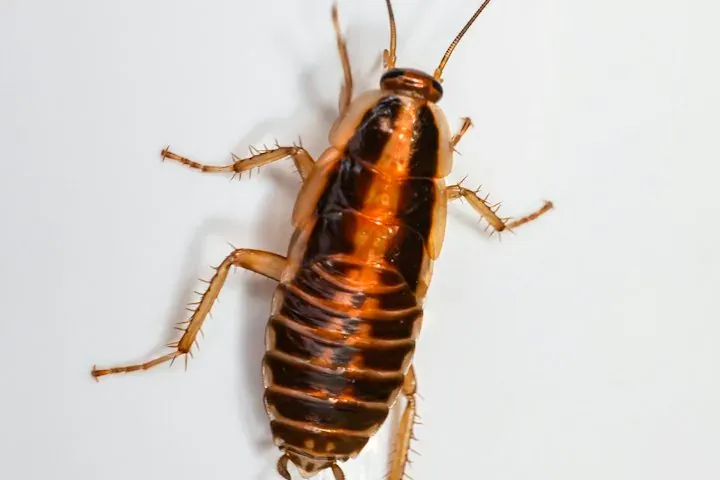
Seen at night near the sink, stove or drains.
They need food, water and warm, tight cracks to hide in.
Flying insects
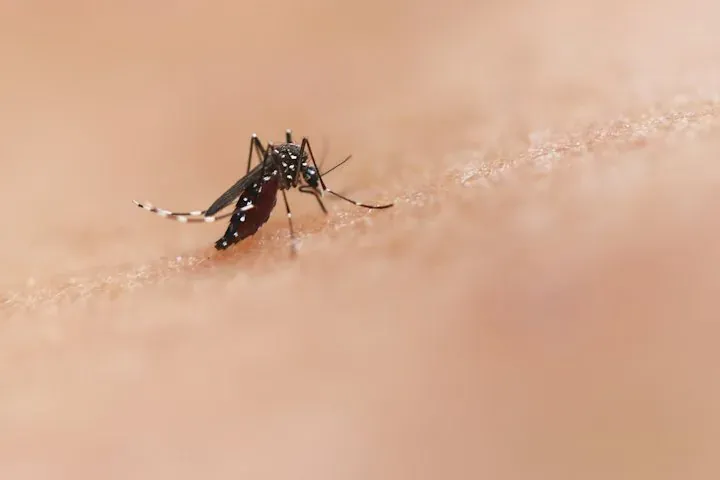
Buzzing and bites, especially around dawn and dusk.
They breed in standing water, even in small amounts.
Other household pests
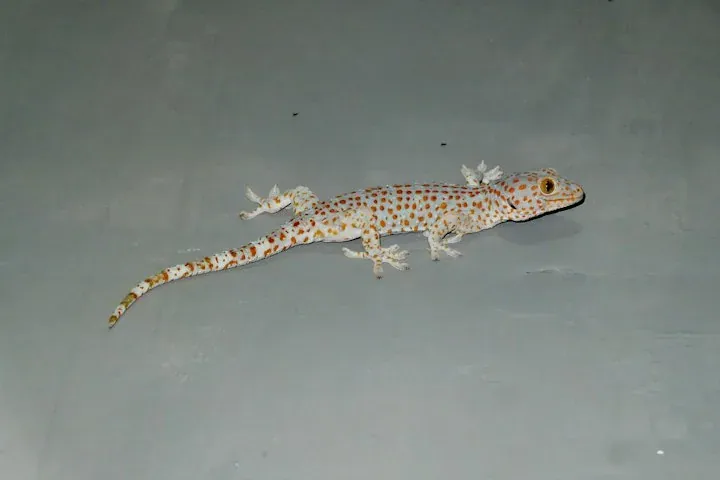
Seen on walls near lights at night.
They follow the insects that gather around lights, and use gaps to get in.
Signs
Signs vary by pest, and a single sign doesn’t always mean an infestation. Look for patterns, and check the guide for the pest you suspect.
Hiding places
Pests are often seen far from where they live. These are the places worth checking, and the pests most often linked to them.
Prevention
Good habits reduce the risk, but they can’t prevent every pest problem, especially pests that arrive from neighbouring homes, soil or luggage.
Expert help
A professional assessment may help when:
Describe the signs and our team will help you work out the next step.
Ask our teamOur approach
We look at the reported signs and the affected areas.
We confirm the likely pest and how far the problem extends.
We explain suitable treatment and prevention options before treating.
You get aftercare and prevention guidance to help stop it coming back.
Our technicians inspect first, identify the pest and recommend the right treatment.