

Construction & EPC
Anti-termite work at the right stage
For builders, EPC contractors and project teams. Treated stage by stage, inspected before the next civil work covers it, and signed off with a certificate.
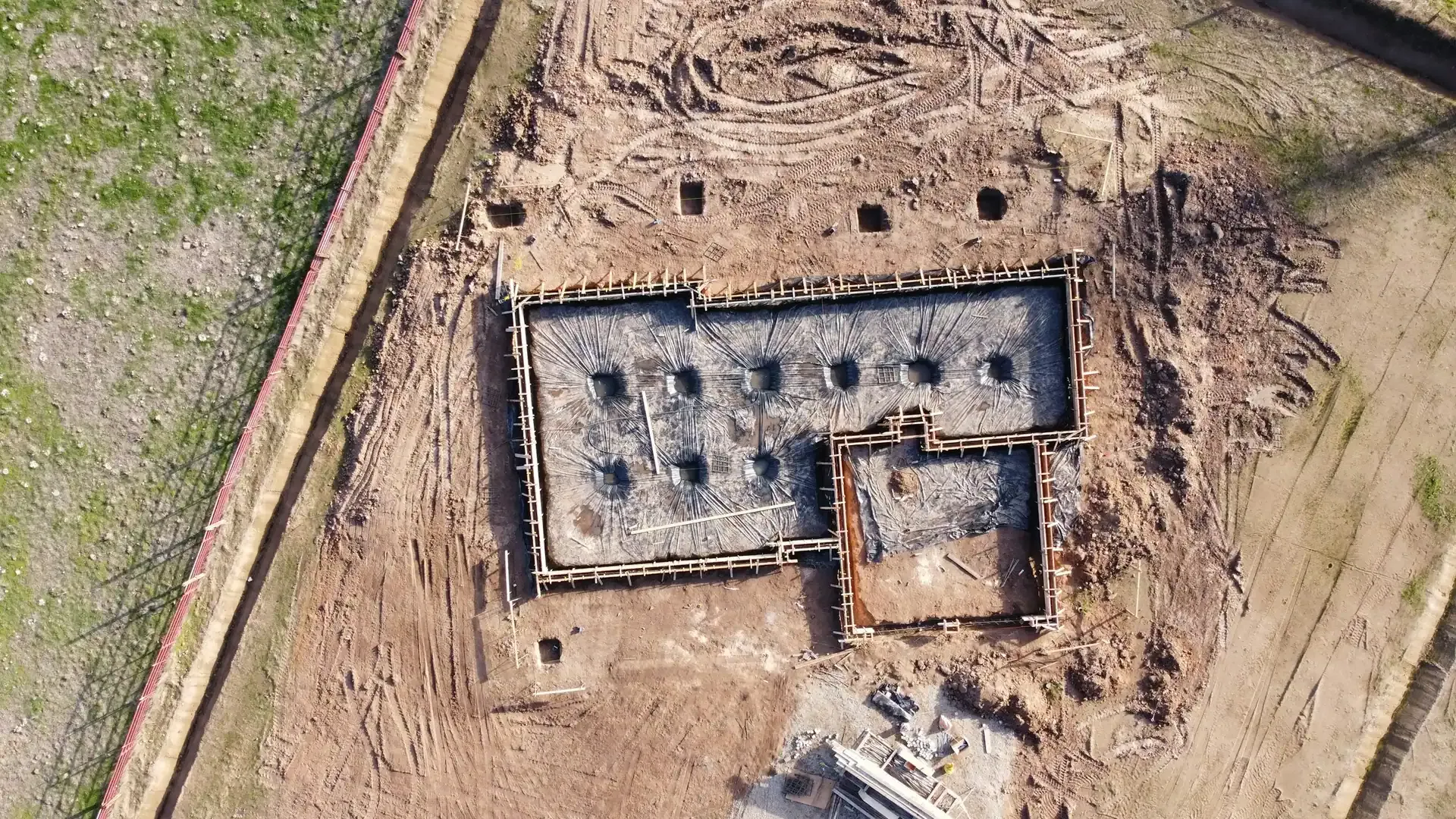
Risk
What can go wrong
A missed stage
Soil treatment skipped or incomplete at foundation or plinth stage is very hard to correct once floors are laid.Work nobody can verify
Treatment covered by the next civil activity before anyone has inspected or signed it off.Billing disputes
Quantities measured differently by contractor and client, with no agreed measurement basis.Unclear warranty
A warranty whose start date and conditions, such as later alterations or water ingress, were never written down.Camp hygiene problems
Mosquitoes, flies, rodents and cockroaches multiplying in labour camps, site offices and guest houses.Snake encounters
Scrap, vegetation and rodent activity drawing snakes onto the site.
Method
How we work
Stage-wise plan
Treatment is mapped to excavation, foundation, plinth, floor and junction stages as they apply to your project.
Method statement
Product, concentration and application rate follow the product label, with manpower, materials and steps set out before work starts.
Hold-point inspection
Each stage is inspected with your QA/QC team before the next civil activity covers it.
Records and certificate
Batch numbers and chemical consumption are logged per stage, and a signed stage certificate is issued.
Agreed measurement
Area and linear quantities are measured on an agreed basis and recorded on a site measurement sheet for billing.
Camp and site-office programme
Sanitation advice, source reduction and pest control for camps, site offices and guest houses, under the same project contract.
Construction & EPC
Frequently Asked Questions
Anti-termite treatment
- At what construction stage should anti-termite treatment be done?
At each stage where soil or junctions will be covered: typically excavation and foundation, plinth, and before flooring, as they apply to your design.
MoreLess
We map the stages to your construction schedule at the start, so the treatment team is on site before each stage closes.
- Which termiticide, concentration and application rate will be used?
A registered product applied as its label directs, at the concentration and rate stated in the method statement, with batch and consumption recorded.
- How is treatment inspected before the next activity covers it?
At a hold point: your QA/QC team inspects the treated stage with us, and we issue a signed stage certificate before work moves on.
- How should anti-termite quantities and billing be measured?
On an agreed area or linear basis, recorded on a site measurement sheet signed by both sides.
- When does the warranty start, and what can affect it?
The warranty terms are written into the contract: when it starts, and the conditions that affect it, such as later alterations, water ingress or structural changes.
- When is a reticulation system better than conventional soil treatment?
When you want to recharge the treatment later without drilling. Reticulation lays pipes under the floor so the soil can be re-treated from outside.
MoreLess
It suits buildings with long design lives or finished floors you don’t want to disturb. We discuss it with your design team early, because the pipes go in before the floor.
- How do you handle termites after interiors are finished?
With an inspection first, then localised drilling, wood treatment or monitoring as the findings require, to keep damage to finishes small.
Camps, site offices and documents
- Can you control mosquitoes, flies, rodents and cockroaches in labour camps?
Yes, with a camp programme that combines sanitation advice, breeding-source reduction and regular pest control.
- Can site offices and guest houses be included?
Yes, as a separate module with its own areas and frequency under the project contract.
- How do you reduce snake encounters on site?
By clearing scrap and vegetation, controlling rodents that attract snakes, improving lighting and agreeing a rescue contact for the site.
- Can you submit a method statement, risk assessment, safety data sheets and toolbox talks?
Yes. They form the project documentation pack, with daily or weekly records as your project requires.
For purchase teams
Questions procurement asks before appointing a vendor
Commercial comparability, service evidence and contract terms, answered before the RFQ.
Procurement
- Can the scope be made comparable across vendors, so the lowest rate isn’t misleading?
Yes. Our proposal sets out the scope line by line: pests covered, areas, visit frequency, manpower, devices, consumables and exclusions.
MoreLess
Ask every vendor to quote against the same lines. Once the scope is the same, the rates become comparable, and gaps such as missing devices or fewer visits are easy to spot.
- What is included in the monthly rate, and what is charged separately?
The proposal lists both before you sign: what the monthly rate covers, and any one-time charges for devices, equipment or replacement consumables.
- Can one vendor manage several sites, in different cities?
Where we serve each location, yes: one central contract, a schedule for each site and reports in one format.
MoreLess
Share your site list and we’ll confirm which locations we can cover before you decide. We won’t accept a site we can’t service properly.
- Which statutory and vendor documents will you submit before work starts?
Send us your vendor-registration checklist and we’ll provide each document with its validity date before mobilisation.
MoreLess
Keeping expiry dates visible lets your team track renewals instead of finding a lapsed document during an audit.
- Will technicians be dedicated or shared, and who supervises them?
It depends on the size and risk of the site, and it is written into the proposal: dedicated or visiting technicians, the supervisor, and how often the supervisor visits.
- How do I know a scheduled service was actually done?
Every visit ends with a service report: date, time, areas covered, products used and findings, signed off by your site contact.
MoreLess
Ask to see the report format before you appoint us, and check that each report matches the agreed schedule.
- Can invoices be linked to completed services at each site?
We can agree billing against signed-off service records for each site. Tell us how your accounts team checks invoices at the proposal stage.
- What happens to devices and data at the end of the contract?
The proposal sets out what you receive at the end: a device inventory, the service records for your site and a closing report.
Next step