
Science First Pest Control · Serving 12 cities

PESTGOGOPESTGOGO

Pest control service

Bed Bug Control

Detailed inspection of beds, furniture joints and room fixtures, followed by targeted treatment of seams, frames and crevices.

Rated 4.8 out of 5 from 1,176+ Google reviews (opens Google reviews in a new tab)
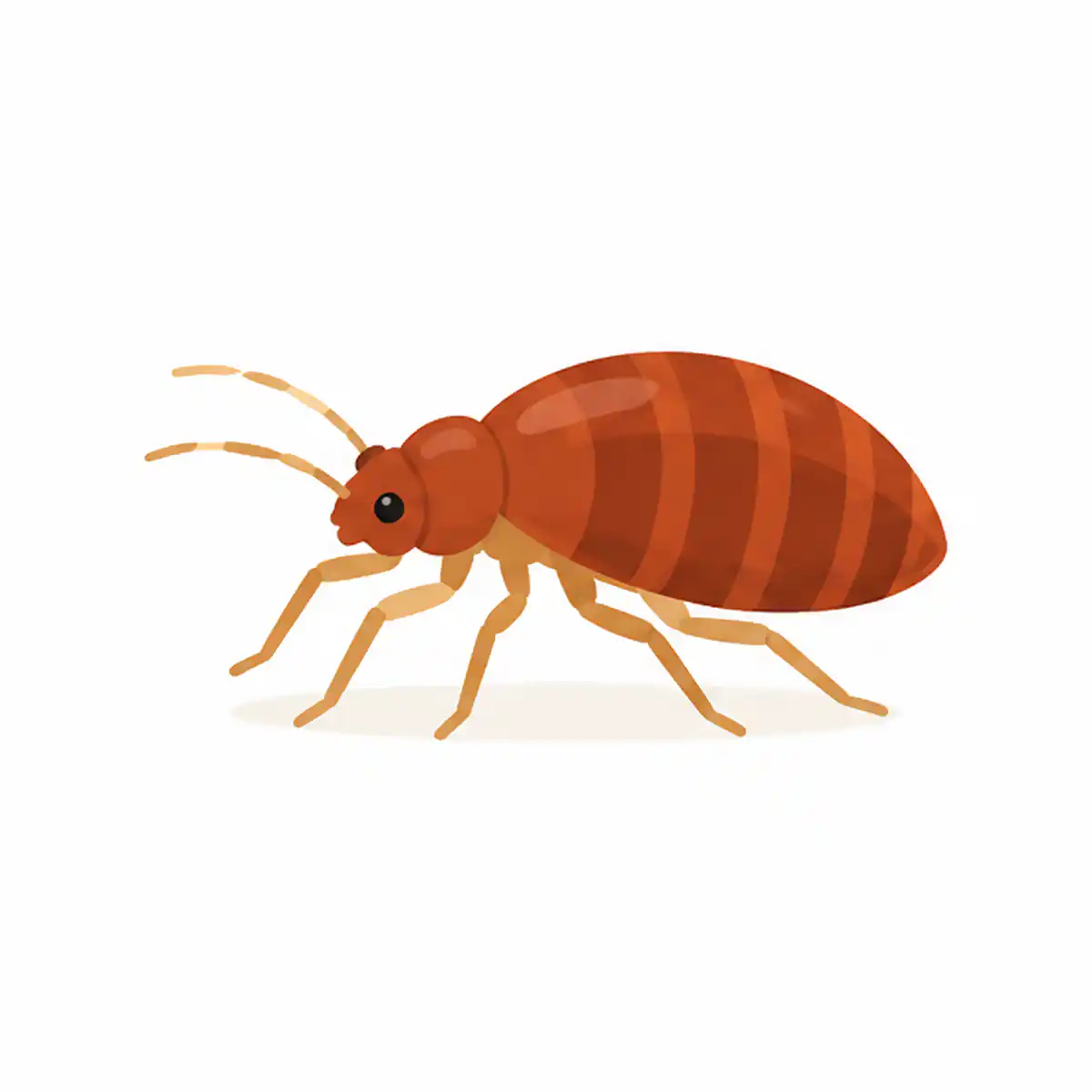
Illustration of a bed bug

How well do you know bed bugs?

Six quick questions on spotting, treating and preventing bed bugs.

6 questions · about 2 minutes

Why bed bugs are a problem

  • Bed bugs feed on blood at night, disturbing sleep with itchy bites.
  • They hide in mattress seams, bed joints, sofas, curtains and luggage, and spread from room to room and building to building.
  • Adults can survive 80 to 140 days without feeding, so the problem does not go away on its own.
  • Home remedies such as kerosene and shop-bought sprays often push them deeper into furniture, making them harder to reach.

Signs you need bed bug control

  • Small blood spots on mattresses, pillows and quilts
  • Black spots of excreted blood along seams and joints
  • A pungent, musty smell in the room
  • Insects or eggs the size of a grain of rice in mattress seams, bed joints or sofa cushions
  • Itchy bites after sleeping

Our method

How we treat bed bugs

Bed bug treatment only works if every hiding place is found. Our technician inspects beds, mattresses, furniture joints and room fittings one by one, then treats seams, frames, crevices and fittings with targeted liquid and spot treatments.
  1. Room-by-room inspection

    We check mattress seams, beading and buttons, bed frames, slats, bolts and drilled holes, bedside drawers, and headboards (removed only after consulting you). Then we move on to upholstered furniture, luggage racks, switch plates, carpet edges, skirting, curtains and picture frames.
  2. Mattresses and furniture

    A light mist is applied to seams, tufts and folds, not the whole mattress, and is left to dry for about four hours with the room ventilated. We do not treat the areas where you sit or rest your arms. Bedding used by infants and the infirm should be replaced, not treated.
  3. Cracks, crevices and fittings

    Liquid treatment goes into baseboard crevices, closets and wood panelling. Electrical fittings such as junction boxes get a small spot application of an oil-based product.
  4. Hot-air treatment

    Used where heat can reach bed bugs that are hard to treat with liquids.
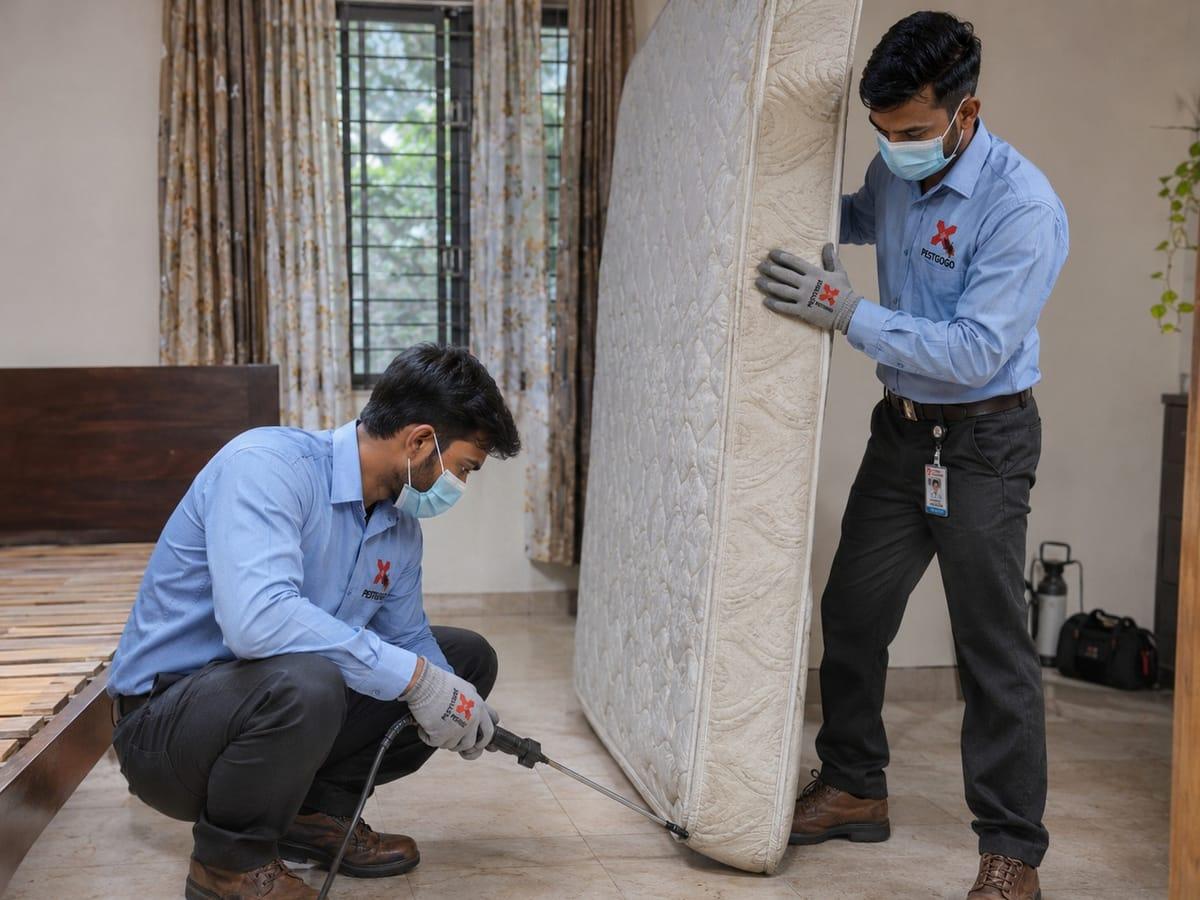
  • Two PESTGOGO technicians: one holds a mattress upright while the other sprays along its lower edge, next to the bed frame
    Mattress lifted to treat its edges and the bed frame
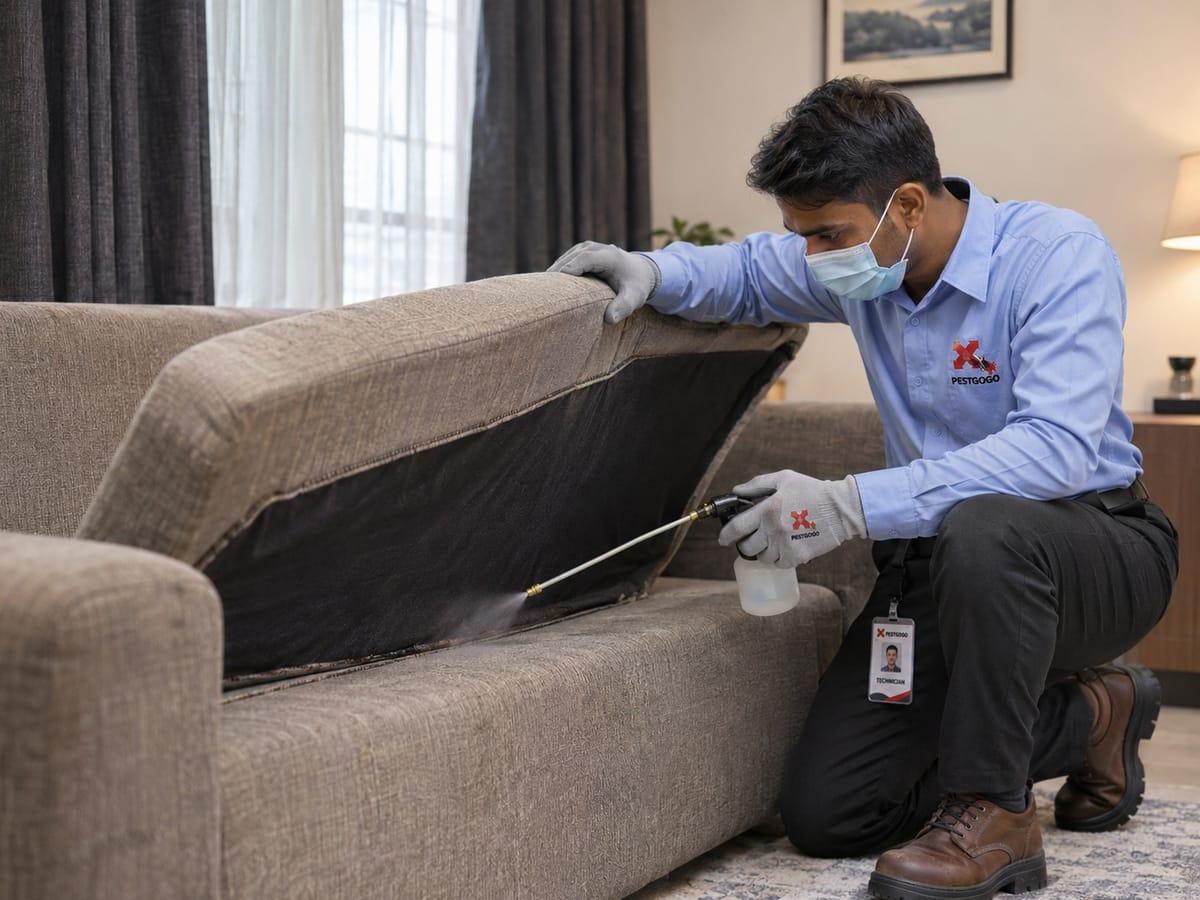
  • A PESTGOGO technician spraying the frame under a lifted sofa seat cushion
    Treating the sofa frame under a lifted seat cushion

Before and after your treatment

Do

  • Reduce clutter so fewer hiding places remain.
  • Vacuum mattress corners, sofas and under the bed. Seal the used vacuum bag in plastic before throwing it away.
  • Wash and heat-dry bedding, pillow covers and curtains regularly.
  • Check laundry baskets before doing the laundry.

Don't

  • Don't throw away your mattress or furniture. Treatment can save them, and dumping them spreads bed bugs.
  • Don't move bedding, pillows or decorations from one room to another.
  • Don't spray shop-bought products yourself. It drives bed bugs deeper.
  • Don't move house for about two months after treatment, or you may carry them with you.

Prevention tips

  • Inspect luggage and second-hand furniture before bringing them into bedrooms.
  • Keep clutter low under and around beds.
  • Wash and heat-dry bedding regularly.
  • Act at the first blood spots or bites. Early treatment is far easier.

For businesses

Bed Bug Control for business sites

Sites with staff, guests or audits get a planned programme with written records. Start with a survey or a sample.

Bed Bug Control

Frequently Asked Questions

Should I throw away my mattress?

No. Mattresses and furniture can be treated. Throwing them away does not solve the problem and can spread bed bugs to other places.

Do you spray the whole mattress?

No. Only seams, tufts and folds get a light mist, which takes about four hours to dry in a ventilated room. Areas where you sit or rest your arms are not treated.

Can I get rid of bed bugs myself?

We do not recommend it. Do-it-yourself sprays usually drive bed bugs deeper into hiding places, making professional treatment harder.

What precautions should I take with children and pets during bed bug control?

Tell us when you book: the booking form asks whether children, pets, pregnancy or elderly family members are part of the home. Your technician plans the treatment around them, explains the precautions for the products used before starting, and tells you how long to keep children and pets away from treated areas and when to ventilate and clean.

Book bed bug control today

Choose a date and a one-hour slot online, or call us and we'll help you plan the visit.