

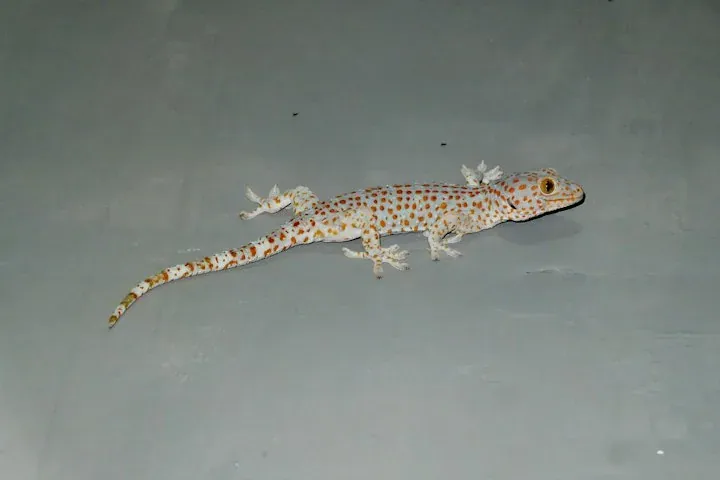
How lizards behave
- They hunt insects around tube lights and bulbs at night.
- They run and hide when they sense footsteps or movement.
- They can shed their tail when grabbed and grow a new one.
- Unlike rats and mice, they cannot gnaw through wood or building materials, so they enter through existing gaps.
What keeps them away
- Fewer insects: if the food supply goes, lizards stop coming.
- Sealing gaps of a quarter inch or more around doors, windows, pipes and vents.
- Less clutter and fewer undisturbed hiding places behind furniture and frames.
Signs of house lizards
- Lizards on walls and ceilings near lights in the evening.
- Small dark droppings with a white tip on floors and window sills.
- Lizards darting behind frames, TVs, curtains and furniture.
Where they hide
- Behind wall-mounted TVs, picture frames and mirrors.
- Behind curtains, cupboards and furniture against walls.
- Near tube lights and bulbs where insects gather.
- Gaps around doors, windows, pipes and AC units.
What attracts them or lets them in
- Insects: mosquitoes, flies, moths and cockroaches are their food.
- Outdoor lights near doors and windows that draw insects.
- Warmth and undisturbed hiding places.
How to prevent house lizards
- Reduce insects indoors: control cockroaches and mosquitoes and keep food covered.
- Seal gaps around doors, windows, pipes and vents, and fit screens.
- Move outdoor lights away from doors, or switch them off when not needed.
- Reduce clutter and move furniture a little away from walls.
- Keep doors and windows closed or screened in the evening.
When a professional assessment may help
- Lizards keep appearing in many rooms despite these steps.
- There is also an insect problem, such as cockroaches, that is feeding them.
- You want advice on sealing gaps and reducing entry around the home.
Did you know?
- Lizards eat cockroaches, mosquitoes and other insects, which is why controlling insects controls lizards.