

All articles
 How Does a Fly Catcher Machine Work?
- Glue Board vs Electric-Grid Fly Killers: Which Suits a Food Business?
 Where to Place a Fly Catcher Machine: a Placement and Maintenance Checklist
 Signs of Rats and Mice: How to Tell You Have Rodents
 Bird Spikes vs Bird Netting: Which Suits Your Building?
 Cockroach Monitoring Traps: What They Tell You
How Does a Fly Catcher Machine Work?
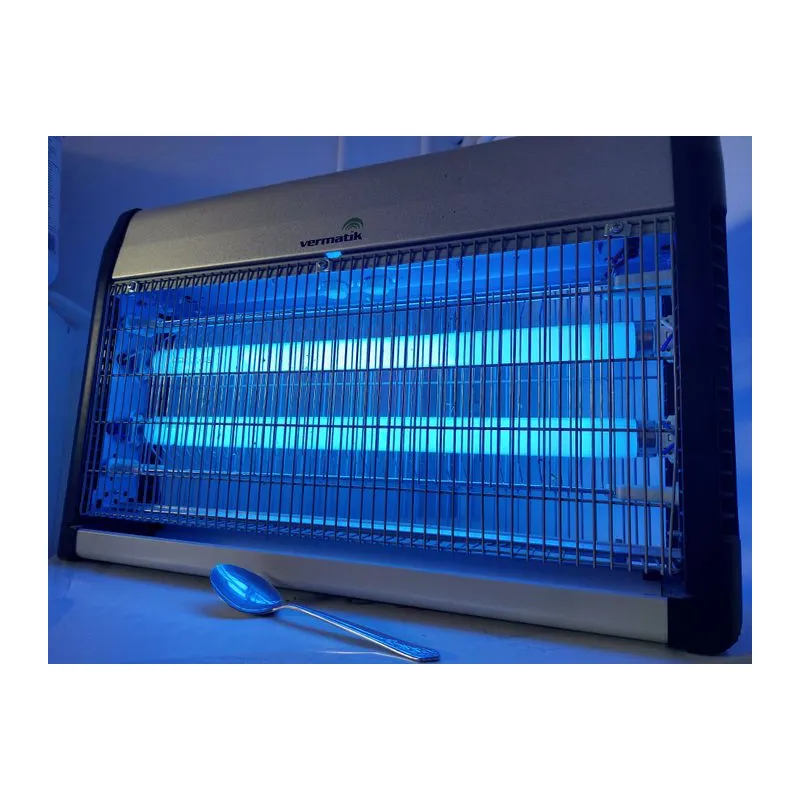
A fly catcher machine uses ultraviolet light to draw flying insects towards it, then either holds them on a sticky glue board or kills them on contact. Glue-board units keep the insects contained, which is why they are the usual choice near food. A machine works well only when it is placed carefully, kept clean and serviced, and used alongside the work that stops flies breeding in the first place.
Why flies come to the light
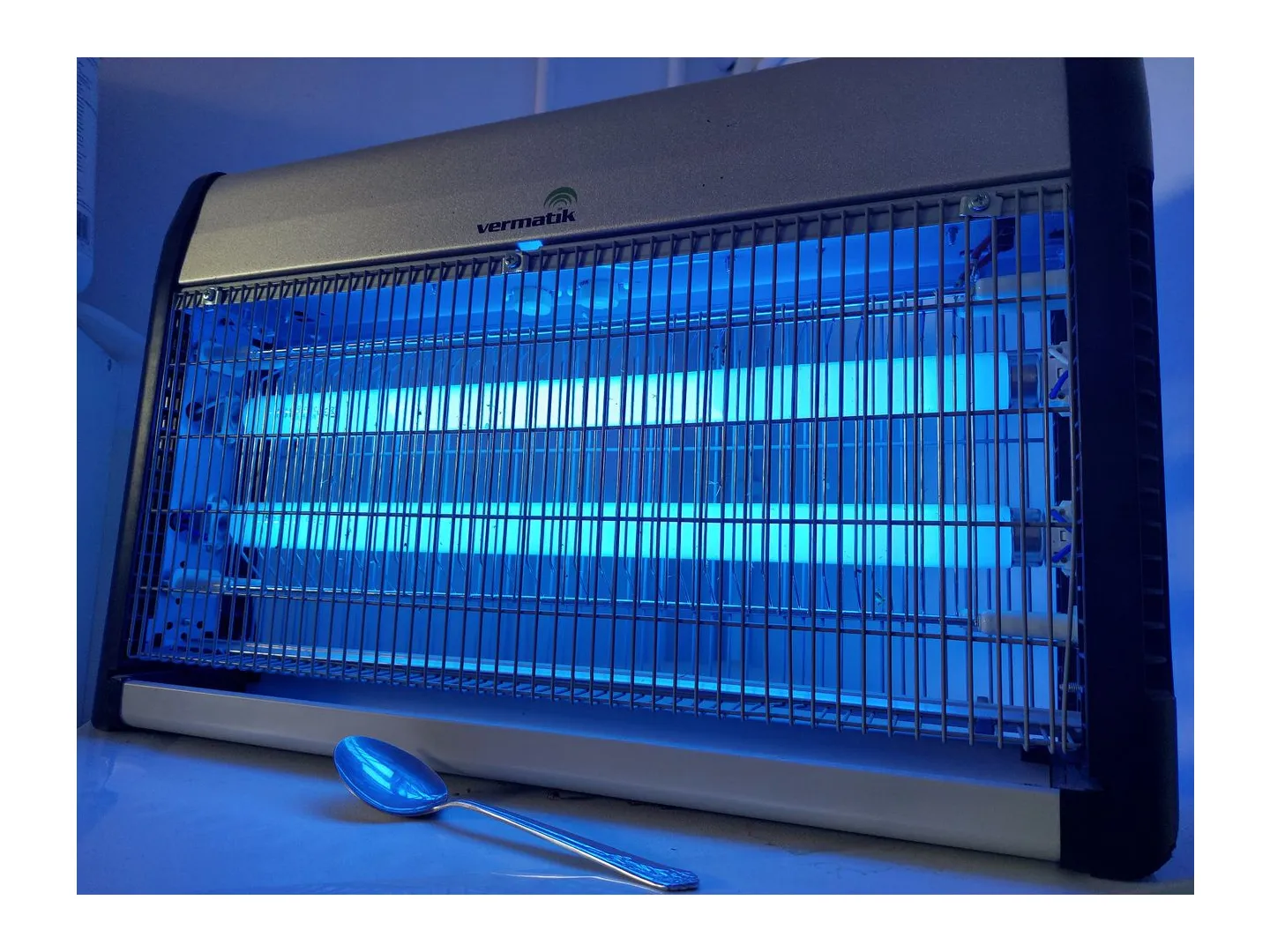
Many flying insects, house flies among them, are drawn to ultraviolet light: light just beyond the violet end of what people can see. A fly catcher machine is built around that behaviour. Its lamp gives off ultraviolet light that insects notice from across a room, and the rest of the unit is designed to deal with them once they arrive.
That is also why a machine works best in a room that is not flooded with competing light. Strong sunlight through a window or another bright source nearby gives insects other places to go.
Two ways to catch: glue board or grid
Fly catcher machines differ mainly in what happens when an insect reaches the light.
- Glue-board units hold insects on a sticky board inside the unit. Nothing is broken apart, so insects stay where they land until the board is changed. The board also becomes a record: what it has caught shows which insects are about and whether activity is rising or falling.
- Electric-grid units pass insects across a charged grid that kills them, and the remains fall into a tray. Because insects can break apart on the grid, fragments can be thrown out of the unit. That is why grid units should never be placed above open food, food-contact surfaces or preparation areas.
In kitchens, food production and packing areas, glue-board units are generally the preferred choice for that reason.
What is inside a typical unit
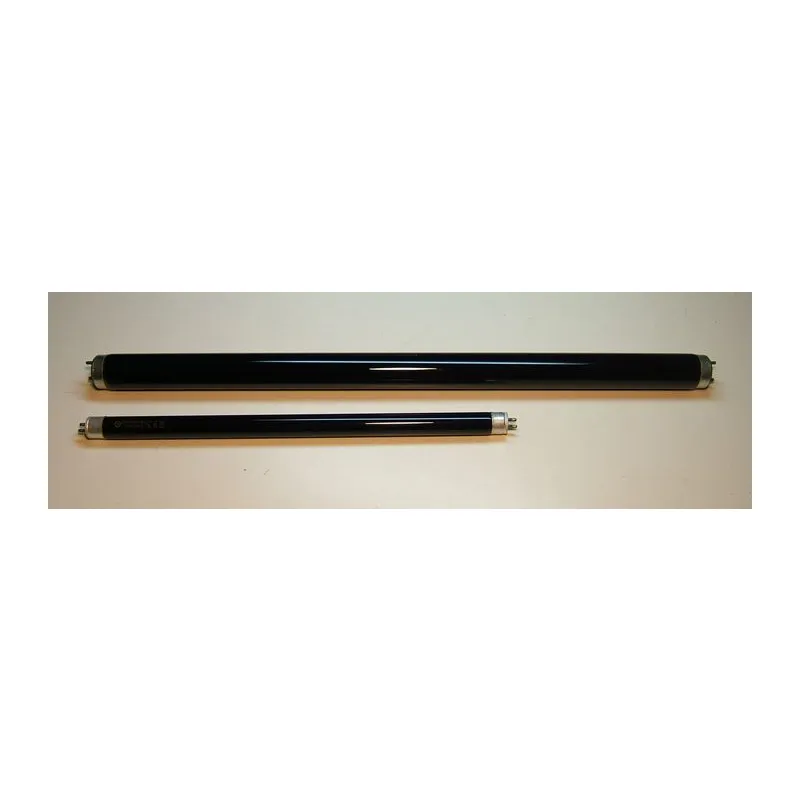
- The light source: ultraviolet fluorescent tubes or LEDs.
- The capture part: a replaceable glue board, or a grid with a collection tray.
- The housing: it holds the parts, protects the lamp and, in better designs, hides the glue board from view so customers and staff do not see a board full of insects.
Where fly catcher machines are used
Any premises where flies are a hygiene problem can use one, but where the unit goes inside the building matters as much as the type of site. This is how we usually think about each area of a food business.
| Area | Usual choice | What to watch |
|---|---|---|
| Kitchen and food preparation | Glue-board unit | Never above open food or work surfaces |
| Dining room, café or shop floor | Glue-board unit with a concealed board | Light not visible from the street |
| Dry stores and packing areas | Glue-board unit | Use the boards as monitoring records |
| Back corridors and loading bays | Glue-board or grid unit | Grid units only well away from food |
| Bin and waste areas | Source control first | A unit cannot keep up with a breeding source |
Offices, warehouses, clinics and homes follow the same principles: catch flies on their way in, keep units away from anything that must stay clean, and look after them.
Keeping a machine working
A fly catcher is not a fit-and-forget device. A few simple habits keep it doing its job.
- Change glue boards when they are full or dusty, or at the interval agreed for your site. A dusty or crowded board stops catching.
- Keep the light source working. Ultraviolet fluorescent tubes lose much of their pull on insects over time even while they still light up, so they are replaced on a schedule rather than when they fail. LED units have no fluorescent tubes to replace, but they still need checking.
- Clean the unit and tray, especially on grid units, so remains do not build up.
- Write it down. A simple note of the date and what the board caught turns each unit into a monitoring point, which is useful for your own hygiene checks and for audits.
Signs a machine is not doing its job
- The board stays almost empty, but flies are still seen. The unit is probably in the wrong place, competing with brighter light, or sitting in a draught.
- One unit fills much faster than the others. There is likely a breeding source or an entry point nearby: a drain, a bin, a door that is often left open.
- The catch drops suddenly. Check that the unit is still switched on, that the light source is working and that the board is not covered in dust.
- Flies keep coming back after cleaning. The source has not been found yet. More units will not fix that; an inspection will.
What a fly catcher cannot do on its own
A machine catches adult flies that are already inside. It does not stop new ones breeding. Flies breed in drains, waste areas, spilt food and damp corners, and if those sources stay, the machine simply keeps catching. Lasting control comes from finding and removing breeding sources, keeping doors and openings managed, and using the machine as one part of a planned programme.
Questions to answer before you choose a machine
- Will it be used in or near a food area? If so, start with a glue-board unit.
- Can customers see it? If so, choose a design that hides the board.
- Where will it be mounted, and is there a power point nearby?
- Would its light be visible from outside through a door or window?
- Who will change the boards and keep records, and how often?
- Do you need catch records for audits or inspections?
The PESTGOGO EFC & EFK units
PESTGOGO supplies the EFC & EFK flying insect catcher and killer. Both are LED-based units for kitchens, food businesses and commercial sites. The EFC catches flying insects on a glue board concealed inside the unit; the EFK kills them. We help you choose between them and decide where they go.
Frequently Asked Questions
- Do fly catcher machines attract flies from outside?
- They can if their light is visible through an open door or window. Place them so the light is not seen from outside, and they will mostly draw insects that are already in the room.
- Is a glue-board or a grid unit better for a kitchen?
- A glue-board unit, in most cases. It holds insects whole, so nothing is thrown out of the unit. Grid units should never be placed above food or preparation areas.
- How often should the glue board be changed?
- When it is full or dusty, or at the interval agreed for your site, whichever comes first. A board that is covered stops catching.
- Does the light need replacing if it still works?
- For fluorescent ultraviolet tubes, yes: they lose much of their attraction over time while still glowing, so they are replaced on a schedule. LED units have no tubes to replace but should still be checked.
- Will a fly catcher machine get rid of all my flies?
- It reduces adult flies indoors, but it does not stop breeding. Drains, waste and spilt food also need attention for lasting results.
- Is it noisy?
- Glue-board units are quiet. Grid units make a short sound when an insect is killed, which some businesses prefer to avoid in customer areas.
- Can I use a fly catcher machine at home?
- Yes. A small glue-board unit suits a home kitchen or utility area. Mount it away from windows, where you can reach it to change the board, and out of reach of children.
- Should a fly catcher machine stay switched on all the time?
- In most businesses, yes. Flies come in at all times of day, and a unit switched off at night or over the weekend leaves a gap.
- How many machines does one room need?
- It depends on the size of the room, its doors and windows, and how much food is open. PESTGOGO decides the number and position of units during a site visit rather than by a fixed rule.
- Do fly catcher machines work on mosquitoes?
- They are built for flies. Some other flying insects are drawn to the light too, but a fly unit is not a mosquito control method. For mosquitoes, ask about a mosquito control service.
Choosing a fly catcher for your site?
Tell us about your kitchen or unit and we will recommend the right EFC & EFK units and where to place them.