

All articles
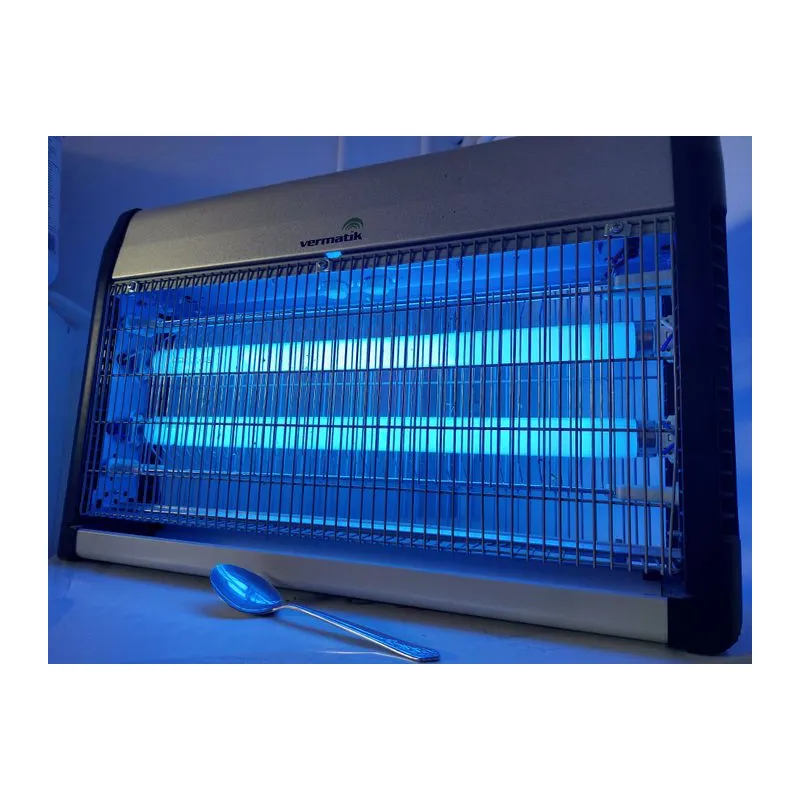 How Does a Fly Catcher Machine Work?
- Glue Board vs Electric-Grid Fly Killers: Which Suits a Food Business?
 Where to Place a Fly Catcher Machine: a Placement and Maintenance Checklist
 Signs of Rats and Mice: How to Tell You Have Rodents
 Bird Spikes vs Bird Netting: Which Suits Your Building?
 Cockroach Monitoring Traps: What They Tell You
Where to Place a Fly Catcher Machine: a Placement and Maintenance Checklist
Place fly catcher machines where flies enter and travel, away from open food and food-contact surfaces, and where their light is not visible from outside. Avoid spots with strong competing light or strong air currents. Then keep them working: change boards, look after the light source, clean the unit and record what it catches.
Before you mount anything: walk the site
Good placement starts with a short walk around the premises. Note where flies come in (doors, delivery points, windows, waste areas), where they gather (warm spots, waste, drains) and where food is open. The goal is to intercept flies on their way in, before they reach food.
Placement checklist
- Away from open food and food-contact surfaces. Never mount a unit directly above preparation areas, food lines or packing tables.
- Between entry points and food areas, so flies meet the unit first.
- Not visible from outside. A unit seen through an open door or window can draw insects in from outdoors.
- Away from competing light, such as strong sunlight through glass or other bright lamps aimed at the same area.
- Out of strong air currents from fans, air curtains or air-conditioning vents, which make it harder for flies to reach the unit.
- At the height set during the site visit, where the unit can be reached for servicing.
- Near a power point, without trailing cables across work areas.
- In customer areas, choose a concealed-board design so diners and shoppers do not see what it has caught.
Common placement mistakes
- Mounting the unit where it is easy to plug in, not where flies travel.
- Putting it opposite a door, so its light shows outside.
- Fixing it above a sink, a preparation table or a food line.
- Placing it next to an air curtain, a fan or an air-conditioning vent.
- Hiding it behind shelving or equipment, so flies cannot see the light and staff forget to service it.
Maintenance checklist
- Change the glue board when it is full or dusty, or at the interval agreed for your site.
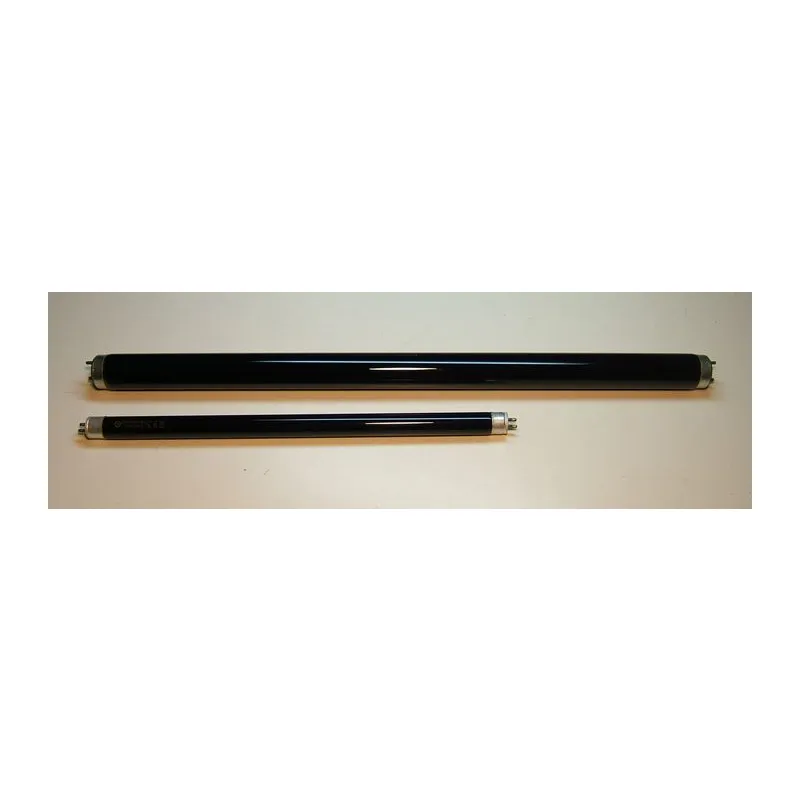
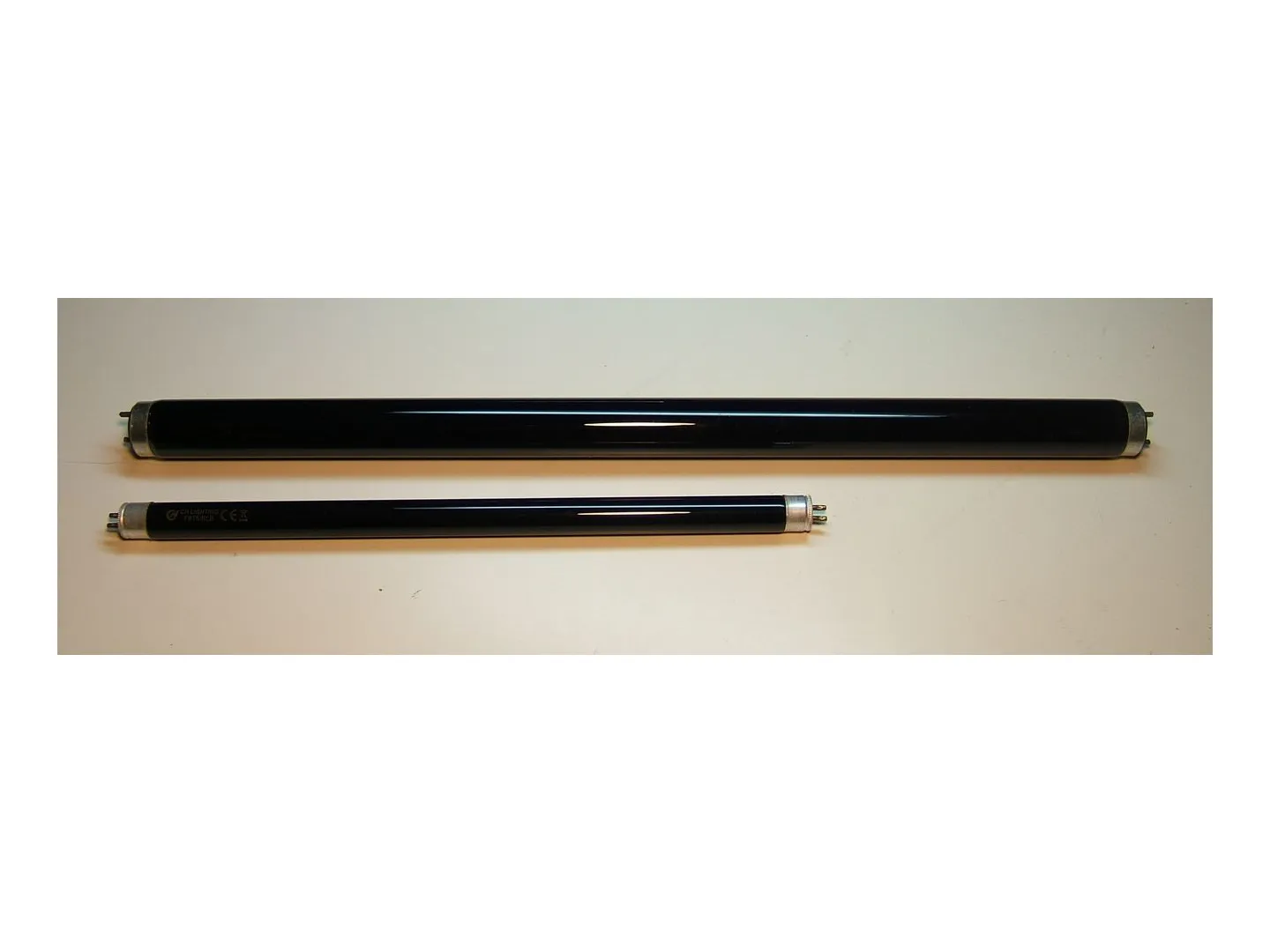
- Keep the light source in working order. Fluorescent tubes are replaced on a schedule because they fade in attraction before they fail; LED units have no tubes to replace but should still be checked.
- Wipe the housing and, on grid units, empty the tray and clean the grid.
- Check that each unit is switched on and still positioned as planned. Units get moved or unplugged.
- Record the date and what was caught. A number on a map plus a dated note per unit is enough to show trends.
Keep a simple unit map
Number every unit and mark it on a floor plan with its location and type. When a board is changed, write the date and what it caught against that number. After a few weeks the map shows which areas need attention, and it gives anyone checking your premises a clear picture of your fly control.
Read the boards
The catch tells you where to look. A sudden rise on one unit points to a nearby source: a drain, a waste bin, a door left open. Small flies near sinks and drains often mean drain flies breeding in the film inside drains, which needs cleaning and treatment of the drain, not more units.
When to call in a professional
If catches stay high, flies keep returning after cleaning, or you are preparing for an inspection, a structured programme helps. PESTGOGO places and services fly units as part of commercial pest control. Food businesses can also see our FSSAI pest control programmes.
Frequently Asked Questions
- Can a fly catcher go above a food preparation table?
- No. Keep every unit away from open food and food-contact surfaces, and never mount a grid unit above them.
- Why does the unit catch almost nothing?
- Common reasons are competing light, strong air currents, a placement away from where flies travel, a dusty board, or a fading fluorescent tube.
- Should the unit face the door?
- It should sit between the door and the food area, but its light should not be visible from outside, or it may draw insects in.
- How many units does a kitchen need?
- It depends on the layout, the entry points and how much food is open. We decide this during a site visit rather than by a fixed rule.
- What should I record?
- The unit number, the date the board was changed and a short note of what it caught. Over weeks this shows whether activity is falling.
- Do I still need other pest control?
- Yes. Units catch adult flies; breeding sources such as drains and waste still need attention.
- Can I move a unit if it is not catching?
- Yes, but change one thing at a time and give it a few weeks, so you can tell whether the new position works. Keep the unit map up to date.
- Should units go outside the building?
- Usually not. A unit outside can draw more insects towards your doors. Fly units belong inside, between entry points and food areas.
- Who should service the units?
- A named, trained person on your team, or your pest control provider. What matters is that it happens on schedule and is recorded.
- Does a unit need servicing if the board looks empty?
- Yes. Dust and grease reduce how well a board catches even when it looks empty, and the light source still needs checking.
Want fly units placed and serviced for you?
We walk your site, place units away from food and keep them serviced as part of a commercial pest control programme.