

Environment-conscious homes
Smarter Pest Management. A More Considered Approach.
Explore inspection-led solutions, targeted treatments and prevention strategies where appropriate.
- Inspection and identification
- Prevention first
- Targeted where needed

Your concerns
Why a considered approach matters
Using less product starts with understanding the problem. That needs an inspection, not a routine spray.
Identifying the pest
Different pests need different methods; identifying them correctly avoids unnecessary treatment.Prevention and exclusion
Sealing gaps and entry points stops pests getting in, so the same problem doesn’t keep returning.Sanitation and habitat
Leaks, damp, food and waste keep pests coming back. Fixing them changes what the home offers pests.Treating only where needed
Targeted placement uses less product than treating whole rooms.Realistic results
Prevention takes time and established infestations usually still need treatment. We say so honestly.
Related services
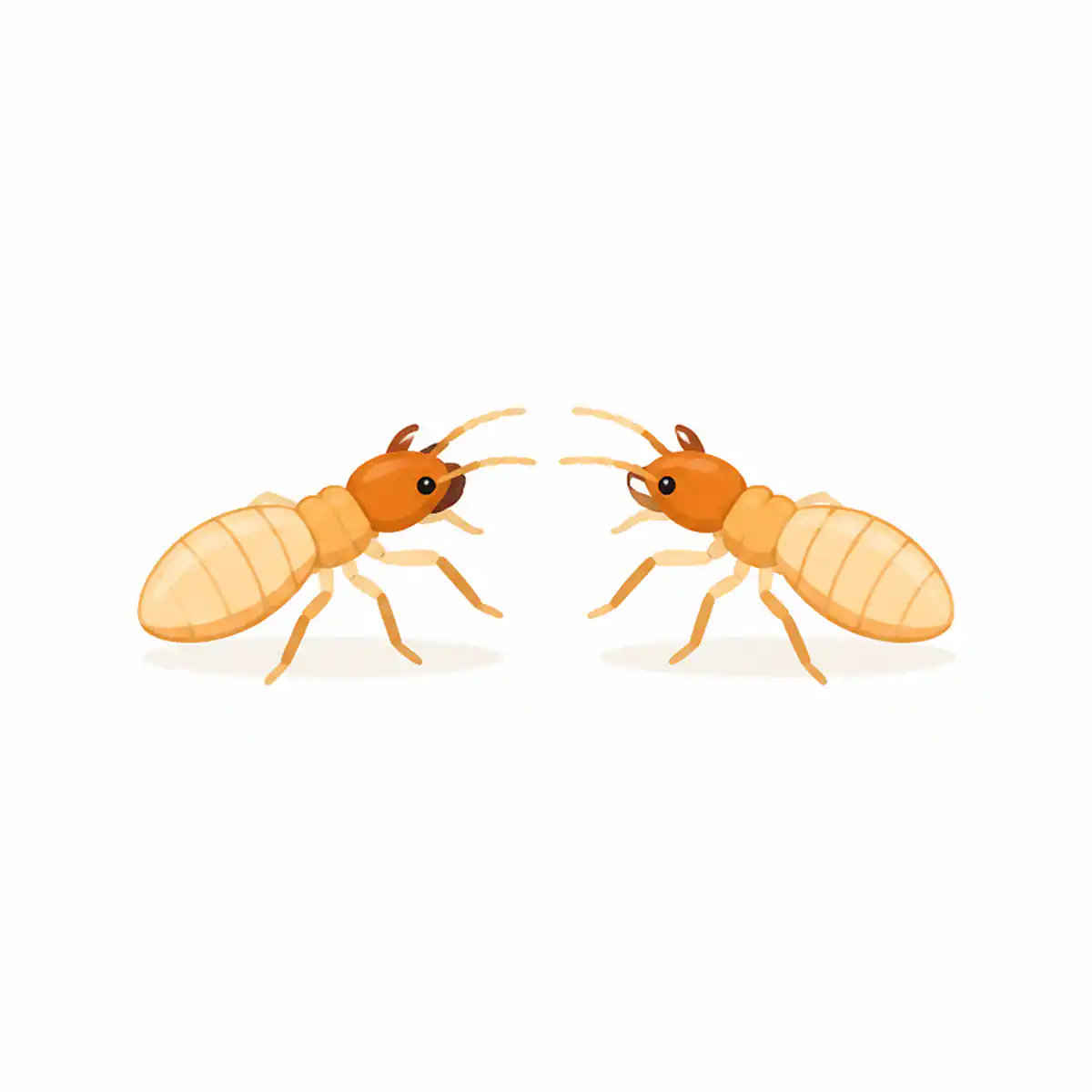
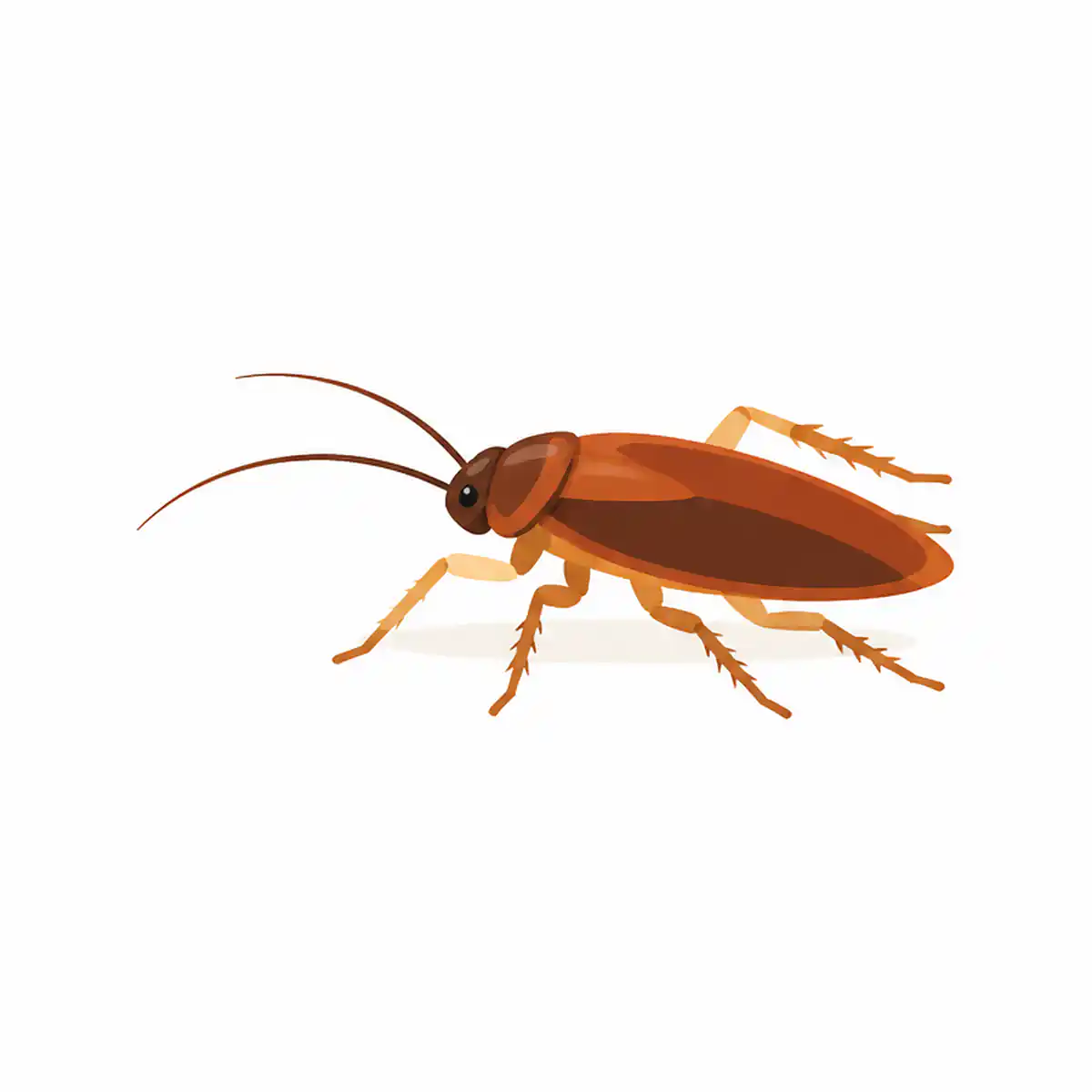

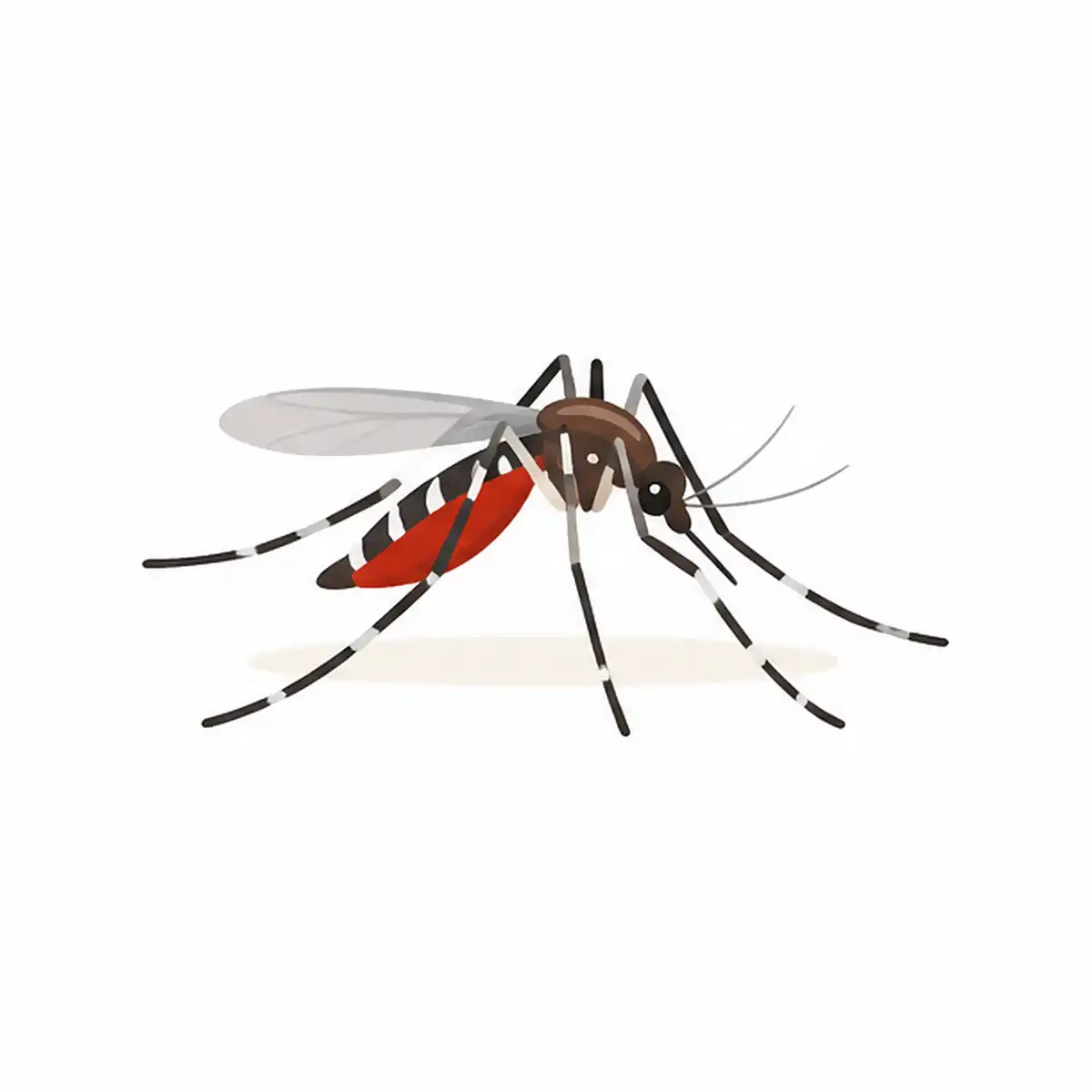
Our approach
Prevention first, treatment where necessary
Inspect, prevent, then treat only what needs it.
- Inspection and pest identification before any decision.
- Exclusion: entry points and gaps identified, with advice on sealing them.
- Sanitation and habitat changes, such as fixing leaks and storing food and waste well.
- Targeted treatment such as bait, traps and crack-and-crevice work where it is necessary.
- Products chosen for the specific pest and place, and applied as the label directs.
Process
How it works
Request an assessment
Tell us what you are seeing; we call to understand the home.
Inspect and identify
We find the pest, its source and how it gets in.
Prevent
We show you the sanitation and exclusion steps that reduce the problem.
Treat where needed
Targeted treatment only where prevention alone won’t solve it.
Precautions
Responsible use and maintenance
Precautions depend on the product, how it is applied and its label. After any treatment, prevention is what keeps results going. Typically:
Before the visit
- Point out leaks, gaps and damp areas you have noticed.
- Put away food and personal items from areas to be treated.
- Ask about any product before the visit if you want to check it.
After the visit
- Follow the re-entry time for each treated area.
- Keep up the prevention steps: food storage, waste, sealed gaps and dry surfaces.
- Leave bait and traps where they are placed until we review them.
- Tell us early if activity returns, so we can find the cause.
Your technician gives you the exact precautions and re-entry time for your treatment, based on the product label. For an individual health concern, speak to a qualified healthcare professional or your vet.
Enquiry
Talk to our team first
Prefer a conversation before booking? Send a few details and we’ll call you.
Request a pest assessment
Tell us what you are seeing and our team will call you to plan an inspection.
Why PESTGOGO
How every home visit works
Inspection before treatment
The technician finds the pests and their source, and explains the plan before treating.Price before you confirm
For homes up to 4 BHK, you see the price online before booking.A slot that suits you
Choose a day and a one-hour slot. Mon – Sun, 9:00 AM – 6:00 PM.Serving 12 cities
Book online for your address and we confirm the visit.
Environment-conscious homes
Frequently Asked Questions
Can pest prevention reduce the need for some treatments?
Yes. Sealing entry points, fixing leaks and managing food and waste can solve small problems and make treatment, when needed, more effective.
What is inspection-led pest management?
Finding the pest, its source and how it enters before deciding on treatment, so only what is needed is used, where it is needed.
Can entry points be addressed to prevent recurring pests?
Often, yes. We show you the gaps and entry points we find and advise how to seal them. Some proofing work may need a builder or carpenter.
When might a targeted treatment be appropriate?
When a pest is established or prevention alone won’t control it, for example cockroaches breeding in a kitchen or termites in woodwork.
How should I compare different treatment options?
Ask what each option targets, where it is applied, the product and its precautions, how long it takes to work and what prevention is still needed.
What prevention steps can I take after service?
Store food sealed, clear waste daily, fix leaks, keep surfaces dry and keep gaps sealed. Tell us early if activity returns.
Start with an assessment
Tell us what you are seeing. We inspect first and treat only what needs treating.